


 Speaking of muscle, generally, we think of a part considered always healthy and strong body. instead, also may be subject to discomfort and suffering. Just a sudden movement, improper or prolonged athletic training, incorrect posture, and here appear the pain.
Myalgias are localized or generalized muscle pains that can have very different causes.
The extent of pain is also variable: Almost everyone experiences muscle pain from time to time, but in some cases the discomfort can be very intense, or it can last for months.
The most common type of localized myalgia is that caused by overuse of the muscle or damage associated with too intense activity. Pain that appears during exercise can be a sign of a muscle strain.
It can also happen that a drug (for example statins used to lower blood cholesterol levels), the infection by virus (like the flu) and bacteria or disease trigger pain not associated with a single muscle, but spread throughout the body.
A frequent situation of acute muscle pain is due to cramps, involuntary and sudden contractions of a muscle or bundle of muscles. The disorder manifests itself with an intense twinge not only during effort, but also at rest, which immobilizes the affected part, while the muscle appears contracted and hard. Although the causes are many, the most frequent one is due to a localized reduction in blood flow: lacking oxygen and the necessary nourishment, the muscle becomes painful.
Other risk factors are abundant sweating with loss of fluids and mineral salts which cause excessive tiredness, an intense muscular effort that produces a greater quantity of lactic acid which "poisons" the muscle tissues, a dip in cold water because it causes vasoconstriction with poor blood flow, low levels of calcium in the blood due to some diseases or its excessive renal elimination.
Presence of rheumatic diseases, cervical spine disorders caused above all by wrong habits, how to maintain an incorrect sitting position for a long time, while lying down or while sleeping, they can cause an acute pain syndrome and show no signs of their presence for years.
Then, following an abrupt or poorly executed movement, the disorder flares up and causes pain that can be unbearable, blocking every movement.
Even falls or activities that cause tears or strains, as well as spinal deviations that cause inflammation of the muscles, can trigger pain.
Another cause of muscle pain is due to rhabdomyolysis, that is, the breakdown of muscle cells.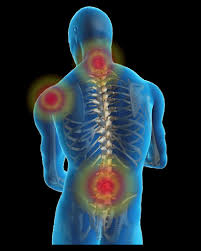
The best treatment depends on the cause of the pain. Typically when myalgia results from excessive exercise or a viral infection, the pain can be fought with analgesics and anti-inflammatories that can be purchased in pharmacies without a prescription.
If pain appears during physical activity it is a good idea to think about taking a period of rest. Symptoms can be treated with heat, massages and, in the most challenging cases, also with ultrasound or Tens (transcutaneous electrical stimulation of the nerves).
NSAIDs for external use can also be applied, such as those based on ibuprofen lysine salt al 10%, which guarantee rapid and effective absorption and do not involve the side effects at the gastrointestinal level typical of NSAIDs taken by mouth.
After the rest period, physical activity should not be resumed abruptly, but choosing an aerobic exercise, like the typical one for walking, cycling and swimming. Contacting a physiotherapist can be useful to start moving again by stretching and toning the muscle with great benefits also for nearby joints. As well as with medicine, The combination of massage and gymnastics is also useful.
Some types of massage have great benefits on muscle tissue, like osteopathy, postural re-education, massage physiotherapy and shiatsu. They consist of acting on the muscles to strengthen them and prevent contractures that appear following incorrect positions, as well as learning to have better posture. To obtain maximum benefits, it is necessary to rely on qualified centers or specialized doctors.
Gentle gymnastics exercises, come lo stretching, which lengthens and loosens muscles (better if performed in a warm water pool), They are used to reduce pain from serious pathologies and to fight inflammation from incorrect postures.
When to see your doctor
If self-medication remedies don't work and problems persist for more than a couple of weeks, it's best to contact your doctor, who could prescribe specific tests if myalgia is associated with another disorder, taking medications to treat the underlying problem or visiting a specialist.
Seeing your doctor is also important when muscle pain is associated with swelling and redness, breathing problems, dizziness, extreme muscle weakness, high fever and neck stiffness or if they appear in conjunction with taking or increasing the doses of a drug.

Specialista in Chir. General, mammalogy, Ph.D. , SIUMB degree in Ultrasound Clinic


