


We are in the perfect season to enjoy citrus fruits, especially oranges that, to surprise, They are also excellent weight Allied fact contain 80-90% water, which are then added fructose, a good percentage of minerals and vitamins: C, B e P. There are also many organic acids (including ac. citrico) ma cosa molto importante da sottolineare è che le arance sono un’ottima fonte di antiossidanti e oltre ad essere in grado di contrastare l’invecchiamento cellulare causato dai radicali liberi, contribuiscono a rendere più forte il sistema immunitario e più attivo il metabolismo. And’ il frutto che caratterizza l’inverno: infatti la sua maturazione avviene dal mese di novembre fino alla primavera e si possono raccogliere frutti addirittura fino a giugno – luglio. La ricchezza della vitamina C di cui le arance sono particolarmente interessate, contribuisce a rafforzare il sistema immunitario e aiuta quindi a prevenire raffreddori e malattie da raffreddamento. Ma non è tutto: le arance “vantano” anche un elevato contenuto di bioflavonoidi, substances that together with vitamin C, it is also very important especially for the reconstitution of the collagen of the connective tissue. This is why they promote the strengthening of bones and teeth, but also of cartilages, tendons and ligaments. Also at the connective level of the blood vessel walls, Vit. C and Bioflavonoids help prevent capillary fragility and improve venous flow in general, therefore for those suffering from cellulite, by improving blood circulation, the formation of blood "stagnation" can be avoided, main cause of the onset of the blemish. Furthermore, the "red" quality of oranges is very rich in powerful antioxidant anthocyanins able to counteract inflammatory states. Vitamin C contained in orange also has anti-anemic properties as it promotes the absorption of iron, useful for the formation of red blood cells. It's still: the orange is particularly rich in terpenes which, taken regularly in a diet rich in fruits and vegetables, they have proved to be very effective in the prevention of colon and rectal cancers. Among the terpenes, limonene must be mentioned, contained in the peel of oranges, lemons and gods grapefruits that, thanks to its ability to counteract the effects of estrogen, helps protect against breast cancer. Even the white part under the peel (mesocarpo), contains a fair amount of soluble dietary fiber, which acts as a real balancer in regulating the absorption of sugars, of fats and proteins. However, not by chance, I always recommend in the diet, to take dietary fiber to prevent diabetes and arteriosclerosis and improve intestinal function,in addition to the regularization of lipid absorption
Vitamin B (complex) instead it promotes digestion, improves liver functions, promotes the proper functioning of the nervous system.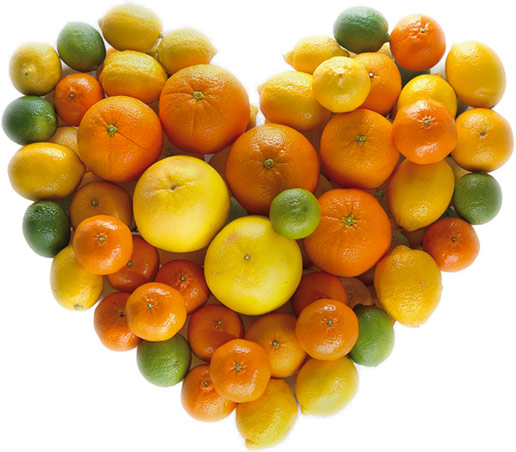
They only have 40 kcal about for 100 g
Oranges are the most popular of all citrus fruits and are divided into two large groups:
– the pigmentate, with the tarocco varieties, moro and dogwood: ideal to squeeze.
– the blondes, with naveline varieties, oval, valencia: great to eat.
Better to use the whole fruit
So you take advantage of the vitamins to the last drop
Drink a juice every day, è un autentico elisir di benessere che purifica contemporaneamente reni, liver, intestino e pelle!
Oltre a mangiarle al naturale o in macedonia, le arance sono ottime per essere abbinate agli ortaggi nella preparazione di insalate drenanti , per esempio ogni giorno per un mese come antipasto a pranzo 1 insalata con arancia e noterai e la ritenzione idrica migliorerà di sicuro.
Quando si mangia un arancia è meglio non eliminare del tutto la pellicola bianca che si trova sotto la buccia. La fibra contenuta in questa parte del frutto regola l’assorbimento degli zuccheri, of fats and proteins, e favorisce il transito intestinale riducendo i fenomeni putrefattivi. Le arance rosse aiutano la digestione e sono le più interessanti per chi vuole dimagrire, grazie soprattutto all’azione antiossidante della cianidina 3, un antiossidante che abbonda in questo frutto (50 mg per 100 grammi circa). Le arance rosse contengono calcio, phosphorus, potassium, iron, selenio e diverse vitamine fra cui, oltre alla già citata C, la A, la B1 e la B2. Le arance rosse sono un’ottima fonte di acido citrico che, una volta nell’organismo, abbassa il pH, cioè l’acidità, migliorando così i processi digestivi, riduce la glicemia e aiuta a conservare attivo il metabolismo perchè come già spiegato in altri specifici articoli, contrastare l’acidosi metabolica serve a prevenire l’accumulo di radicali liberi e contrastare i processi infiammatori.

Nutritionist
Graduation 1 degree in Dietetics
At UNIPA Degree
Degree in Food Science and Human Nutrition at UNIPG (Univ. Perugia)
Biological Sciences and professional practice Enabling UNIPA


